
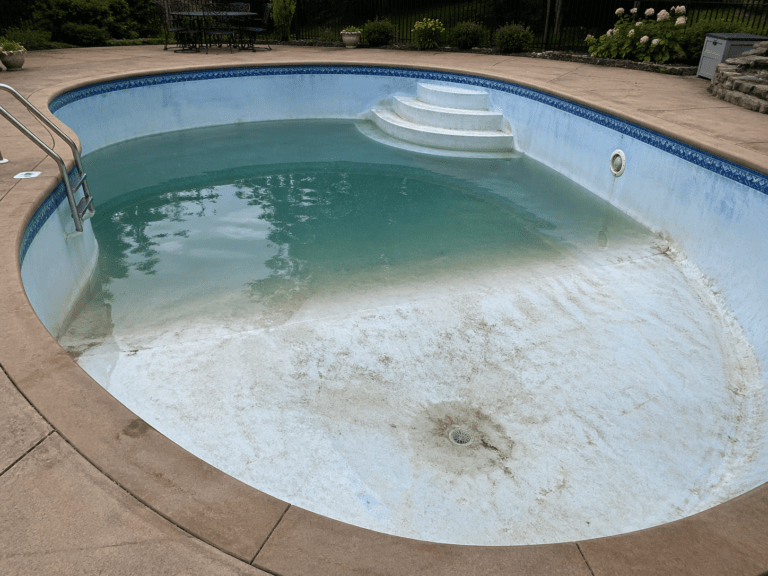

Draining a pool is often viewed as routine service work, but in reality, it is one of the highest-risk operations in the pool industry. Some of the most severe insurance claims stem from improper draining — leading to structural damage, flooding, and costly property losses.
When a pool is full, the water helps balance groundwater pressure. Once drained, that protection is gone. In areas with a high water table, or after heavy rain, pressure beneath the pool can cause it to crack, shift, or even lift out of the ground entirely. These “pop-up” losses are catastrophic and expensive.
Where the Water Goes Matters Just as Much
Draining a pool also creates another major exposure: water discharge. Thousands of gallons must be directed properly. If not, it can quickly lead to flooding around the home, damage to foundations, and runoff onto neighboring properties.
Many contractors assume any drain or clean-out can handle the volume — but that assumption is exactly where problems begin.
The Hidden Danger: Sewer Backup & Interior Flooding
One of the most severe and overlooked risks is interior flooding caused by sewer backup.
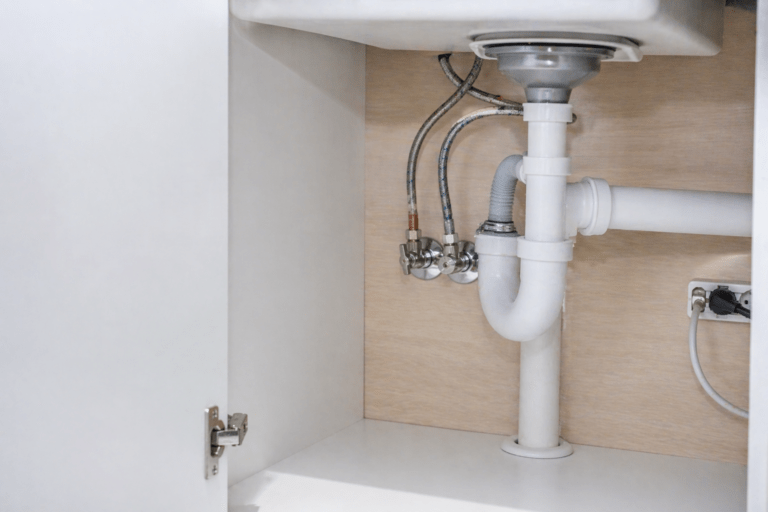
If pool water is discharged into the wrong or undersized clean-out, an interior plumbing connection, or a line with a clog or restriction, the system can become overwhelmed almost immediately. When this happens, pressure builds in the pipes and forces water back into the home.
Instead of draining away, the water reverses direction — coming up through toilets, showers, tubs, and floor drains. In many cases this includes contaminated water, turning the situation into a biohazard cleanup.
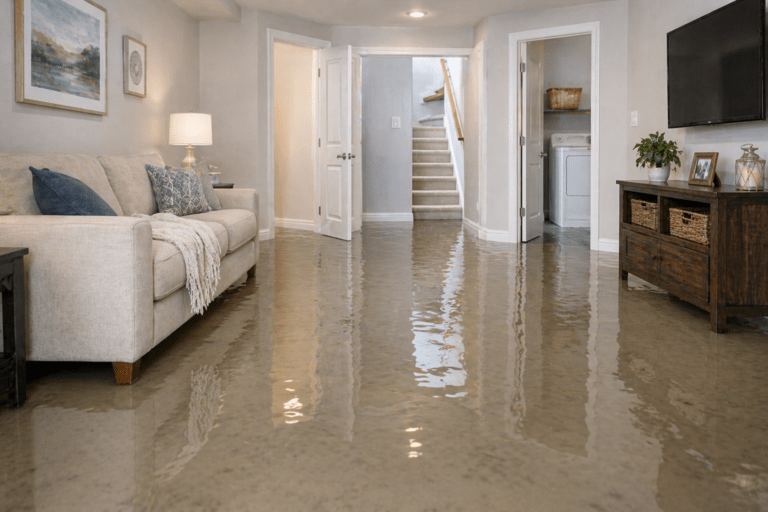
What This Can Look Like Inside the Home
These incidents escalate quickly. What starts as a simple pool drain can result in flooded bathrooms, kitchens, or living spaces, water-damaged flooring, drywall, and cabinetry, contaminated materials requiring full removal, and displacement of the homeowner during repairs.
Even when using the correct clean-out, hidden clogs — such as debris buildup or root intrusion — can cause overflow. Water may back up out of the clean-out itself, flooding the yard and eventually making its way into the home.
Why These Claims Are So Severe
Flooding and sewer backup losses are among the most expensive and most scrutinized insurance claims. Because they are often preventable, they can lead to denied claims, policy cancellation, and significant out-of-pocket costs. If neighboring properties are affected, liability can extend even further.
A Professional Approach Makes the Difference
Draining a pool should never be treated as a “set it and forget it” task. It requires planning, controlled water flow, and constant monitoring. Verifying the correct discharge point, checking for potential clogs, and watching for early warning signs — like slow drainage or gurgling pipes — can prevent a major loss.
Final Thought
Draining a pool is not just maintenance — it is a high-liability operation. Whether the risk is structural damage from groundwater pressure or interior flooding from a sewer backup, the consequences can be severe.
The most experienced professionals understand that success isn’t just about removing the water — it’s about controlling where it goes and ensuring the system can handle it. One mistake in that process can lead to a claim that impacts your business for years.

ABOUT THE AUTHOR
Hi, I’m Danielle Bahr, owner of the Swimming Pool Pro Alliance (SPPA). With over 30 years of experience in the pool and spa industry, I’ve dedicated my career to protecting service and repair professionals with insurance that’s affordable, flexible, and backed by A-rated carriers. SPPA serves pool, spa, pond, and fountain pros across 49 states, offering coverage that includes pool pop-ups, pollution cleanup, inspections, and even key and lock replacement. I come from a family of pool service pros myself, so I understand the risks you face, and my goal is simple: to give you peace of mind so you can focus on running your business.